
- October 22, 2025
- Last update: April 24, 2026
- By Todd Aaron, MD
- Reviewed by Robert Boynton, M.D.
| Product Name: | Active ingredient: | Prescription: | Price: | Where To Buy Online: |
|---|---|---|---|---|
|
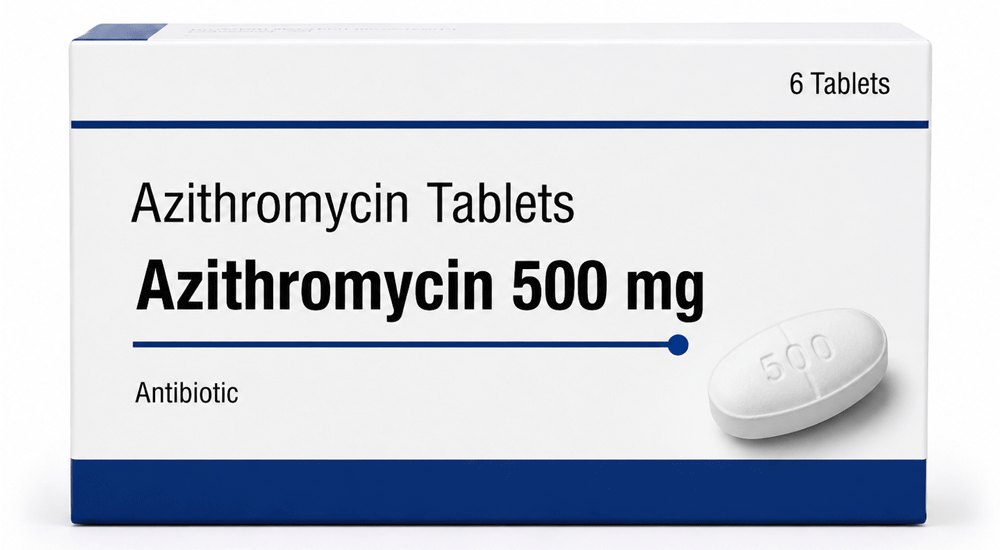
Generic Zithromax 500 mg
In stock ✓
|
Azithromycin | Required | $77.19 | OnlinePharmacy |
|
Generic Zithromax Dispersible 100 mg
In stock ✓
|
Azithromycin | Required | $25.19 | OnlinePharmacy |
|
* Azithromycin requires medical review because antibiotics are only appropriate for bacterial infections and may not work for viral illnesses. A consultation helps confirm whether this treatment is suitable, especially when allergies, heart rhythm conditions, liver problems, or medication interactions may be a concern.
What is Azithromycin and how does it work?Azithromycin is a widely used antibiotic from the macrolide class. It is prescribed for a range of bacterial infections, including certain respiratory tract infections, some skin and soft tissue infections, selected ear infections, and specific sexually transmitted infections caused by susceptible bacteria. Its value in routine medical practice comes from a combination of broad tissue penetration, convenient dosing schedules, and activity against several clinically important pathogens. Azithromycin is not effective against viral illnesses such as the common cold or influenza, and its use outside confirmed or strongly suspected bacterial disease contributes to antibiotic resistance, a major public health concern. Mechanism of ActionAzithromycin works by inhibiting bacterial protein synthesis. It binds to the 50S ribosomal subunit of susceptible bacteria and interferes with the translocation step required for protein production. Without adequate protein synthesis, bacteria lose their ability to grow, replicate, and maintain essential cellular functions. In many situations azithromycin acts primarily as a bacteriostatic antibiotic, meaning it stops bacterial multiplication and allows the immune system to clear the infection. Against some organisms and at certain tissue concentrations, its effect may become bactericidal in practice. A notable pharmacologic feature of azithromycin is its high intracellular and tissue penetration. Drug levels in infected tissues can exceed serum concentrations, which helps explain why short courses are often effective. This property also contributes to its prolonged half-life and the common use of once-daily dosing. Azithromycin remains active in tissues after the last dose, but this prolonged presence does not justify incomplete or inappropriate treatment. The relationship between dose, tissue exposure, bacterial susceptibility, and resistance pressure is medically significant, particularly in respiratory pathogens where macrolide resistance has increased over time. Because azithromycin targets bacterial ribosomes rather than human cells, it can treat infection without directly damaging host tissues in the same way. Even so, no antibiotic is biologically neutral. Effects on the gastrointestinal microbiome, interaction potential, and rare cardiac or hepatic adverse reactions are all relevant to safe use. That broader safety picture matters when azithromycin is considered for common outpatient infections. Benefits of Azithromycin for treating bacterial infectionsAzithromycin remains a frequently selected antibiotic because it combines antimicrobial activity with practical dosing convenience. Its benefits depend on the infection being caused by susceptible bacteria and on local resistance patterns, but when appropriately chosen, it offers several meaningful advantages in clinical use. Broad Activity Against Susceptible BacteriaAzithromycin has activity against a range of gram-positive, some gram-negative, and atypical organisms. It is particularly recognized for coverage of pathogens such as Mycoplasma pneumoniae, Chlamydia trachomatis, Legionella species, and certain strains of Streptococcus and Haemophilus influenzae, although susceptibility varies by region and by organism. This spectrum makes it useful in selected respiratory infections and other conditions where atypical bacteria are part of the differential diagnosis. Rapid Tissue PenetrationOne of azithromycin's strongest pharmacologic advantages is its ability to concentrate in tissues and inside cells. This allows the drug to reach sites where extracellular serum levels alone would not fully reflect therapeutic exposure. In respiratory infections, for example, tissue penetration into bronchial secretions and lung tissue contributes to its clinical effectiveness. Rapid distribution to target tissues also helps explain why once-daily dosing is often sufficient. Flexible Dosage OptionsAzithromycin is available in several formulations, including tablets, capsules, oral suspension, and intravenous preparations in some settings. Different strengths and course lengths allow treatment to be adapted to the type of infection, patient age, swallowing ability, and setting of care. Short-course regimens, including 3-day or 5-day schedules for selected infections, make azithromycin more practical than some antibiotics that require multiple daily doses for longer periods. Convenient Treatment CourseCompared with antibiotics that require dosing several times per day, azithromycin is often easier to incorporate into daily life. A once-daily schedule can support adherence, especially in outpatient treatment. This convenience has clear clinical value because antibiotics are only effective when exposure is sufficient to suppress susceptible organisms throughout the intended treatment window. A simpler regimen can reduce missed doses and improve real-world treatment consistency. Proven Clinical UtilityAzithromycin has been used extensively for decades and has an established role in many treatment pathways. Its clinical value is well documented in community-acquired respiratory infections caused by susceptible pathogens, certain sexually transmitted infections, and selected pediatric infections. This long history has also clarified its limitations, especially the growing issue of macrolide resistance in some common bacteria. That balance between usefulness and resistance pressure is central to modern antibiotic stewardship. Ease of AdministrationAzithromycin is generally straightforward to administer. Oral formulations are widely available, and pediatric suspensions help accommodate children or adults who cannot swallow tablets. The relatively short course used in many indications can also make treatment less burdensome than longer antibiotic regimens. In practical terms, a medication that combines tolerable dosing with broad familiarity often supports better completion of therapy when it is appropriately prescribed. These benefits explain why azithromycin remains prominent in infectious disease treatment. Its usefulness comes not from being a universal antibiotic, but from fitting the right infection profile with a pharmacokinetic pattern that supports convenient and effective bacterial suppression. How to use Azithromycin correctly for the best resultsAzithromycin must be used according to the prescribed regimen because antibiotic success depends on maintaining adequate exposure against the target organism. Unlike symptom-relief medicines, antibiotics are not judged only by how quickly a person feels better. Clinical improvement may begin before bacterial eradication is complete, and this is one reason incomplete or inconsistent use can contribute to relapse or resistance. The correct dosing schedule varies by infection type, formulation, age group, kidney and liver status, and whether the medicine is being used orally or intravenously. Proper DosageAzithromycin dosing differs substantially across indications. Some infections are treated with a single higher dose, while others require a multi-day course such as 500 mg on day 1 followed by 250 mg daily for several more days, or 500 mg once daily for 3 days. Pediatric dosing is typically weight-based, often using oral suspension. The correct dose is tied to the diagnosed or suspected organism, site of infection, and severity of illness. A regimen that is adequate for uncomplicated chlamydial infection is not equivalent to one used for community-acquired pneumonia or sinus infection. Timing of AdministrationAzithromycin is often taken once daily, which is one of its practical advantages. Taking it at roughly the same time each day supports stable antimicrobial exposure and reduces the chance of missed doses. Some formulations may be taken with or without food, while others have more specific instructions depending on whether the product is immediate-release or extended-release. Food can influence gastrointestinal tolerance and, in some formulations, absorption characteristics. Timing also matters in relation to antacids containing aluminum or magnesium, which can reduce absorption when taken too close to azithromycin. How to Take AzithromycinTablets and capsules are usually swallowed with water. Oral suspension requires accurate measurement because underdosing and overdosing are both clinically relevant in antibiotic therapy. Extended-release suspension products, when prescribed, have different handling characteristics from standard suspension and are not interchangeable in practical use. The route and form matter because azithromycin's pharmacokinetics are built into how the product is designed to deliver drug exposure over time. Avoiding Misuse and Incomplete CoursesAzithromycin should not be reused casually for later illnesses that appear similar to a previous infection. Symptoms such as cough, sore throat, congestion, or fever do not reliably distinguish bacterial from viral disease, and inappropriate antibiotic use accelerates resistance. Stopping early because symptoms improve can leave partially suppressed bacteria behind, which may contribute to recurrence or reduced susceptibility. In antibiotic therapy, feeling better is not the same as microbiologic cure. Alcohol and Drug InteractionsAlcohol does not create the same classic interaction with azithromycin that occurs with some other antimicrobials, but gastrointestinal irritation, dehydration, and reduced treatment tolerance may become more noticeable with concurrent heavy drinking. Drug interactions are more clinically important. Antacids containing aluminum or magnesium can reduce azithromycin absorption when taken close together. Other medications that prolong the QT interval, including certain antiarrhythmics, antipsychotics, and fluoroquinolones, may increase cardiac risk when combined with azithromycin. Monitoring Treatment ResponseResponse to azithromycin depends on whether the infecting organism is actually susceptible and whether the diagnosis itself is correct. Improvement in fever, pain, cough, discharge, or local inflammation often begins within a few days, but the pace varies by infection site and severity. Lack of improvement may reflect resistance, an incorrect diagnosis, inadequate source control, or a complication such as abscess formation. This makes treatment response a clinically meaningful signal rather than a simple comfort measure. Correct azithromycin use is defined by indication, dose, timing, and completion of the intended course. Those details directly shape whether the antibiotic suppresses infection effectively or contributes to a cycle of partial treatment and growing bacterial resistance. Potential side effects and how to manage themAzithromycin is generally well tolerated, but side effects can occur, ranging from mild gastrointestinal symptoms to rare serious cardiac or hepatic reactions. The overall safety profile is favorable in many patients, yet the possibility of adverse effects remains clinically important because antibiotics are often used in people with concurrent illness, polypharmacy, or underlying organ disease. Common Side EffectsThe most frequently reported side effects of azithromycin are nausea, diarrhea, abdominal pain, and occasional vomiting. These symptoms are common with macrolide antibiotics because they can affect gastrointestinal motility and alter the intestinal microbiome. In many cases the discomfort is mild and short-lived. Loose stools during antibiotic therapy are not unusual, though severity matters because persistent or profuse diarrhea can indicate a more serious complication rather than simple intolerance. Digestive DiscomfortDigestive upset is one of the main reasons some people find azithromycin difficult to tolerate. Stomach cramping, bloating, reduced appetite, or a metallic taste may occur. The formulation can influence tolerability, and some individuals experience fewer symptoms when the medicine is taken in a way that matches product-specific food guidance. Gastrointestinal symptoms are often manageable, but severe abdominal pain, marked dehydration, or ongoing vomiting changes the clinical picture and raises concern about treatment continuation and fluid balance. Liver and Cardiac EffectsAzithromycin can, in rare cases, affect the liver or the heart. Hepatic injury may present with jaundice, dark urine, unusual fatigue, upper abdominal pain, or abnormal liver tests. Cardiac risk is tied mainly to QT interval prolongation, which can predispose susceptible individuals to serious arrhythmias such as torsades de pointes. This risk is uncommon but medically significant in people with existing rhythm disorders, electrolyte abnormalities, structural heart disease, or concurrent use of other QT-prolonging drugs. Because azithromycin is often perceived as a routine outpatient antibiotic, these rare but meaningful risks are easy to underestimate. Rare but Serious Side EffectsSerious reactions include severe allergic responses, significant liver injury, pronounced palpitations, fainting, hearing changes at high exposures, and antibiotic-associated colitis linked to Clostridioides difficile. C difficile infection can appear during therapy or after completion and may cause severe diarrhea, fever, and abdominal tenderness. This complication reflects microbiome disruption rather than simple stomach upset and can become dangerous if not recognized promptly. Allergic ReactionsAllergic reactions to azithromycin may include rash, hives, swelling, wheezing, or breathing difficulty. Severe cutaneous reactions, although rare, have been reported with macrolides and can involve blistering or mucosal involvement. A prior reaction to azithromycin, erythromycin, or related macrolides may increase concern about cross-reactivity, though the exact pattern can vary by individual and by type of hypersensitivity. Minimizing RisksRisk is influenced by age, liver function, cardiac history, electrolyte balance, and interacting medications. The probability of harm rises when azithromycin is used despite a weak indication, because any antibiotic exposure carries downside even when the infection is not likely to benefit. Careful attention to formulation, timing relative to antacids, and awareness of cardiac and hepatic warning signs helps frame azithromycin as a useful medicine with defined safety boundaries rather than a harmless routine prescription. Most azithromycin side effects are mild and self-limited, but the uncommon serious reactions deserve respect because they involve organ systems where delayed recognition can have consequences out of proportion to the apparent simplicity of the prescription. Precautions to consider before taking AzithromycinBefore azithromycin is used, several precautions deserve attention because the safety and appropriateness of this antibiotic depend on more than the presence of infection symptoms. The infection type, probable organism, cardiac status, liver function, and medication profile all influence whether azithromycin is a sensible option. Health ConditionsPeople with significant liver disease require caution because azithromycin is processed partly through hepatic pathways and rare hepatotoxicity has been reported. Cardiac conditions also matter, especially a history of QT prolongation, ventricular arrhythmias, structural heart disease, bradycardia, or electrolyte abnormalities such as low potassium or low magnesium. Myasthenia gravis deserves mention as well, because macrolides have been associated with worsening neuromuscular weakness in susceptible individuals. Medication InteractionsAzithromycin has fewer cytochrome-related interactions than some older macrolides, but it is not interaction-free. Drugs that prolong the QT interval can compound arrhythmia risk. Antacids containing aluminum or magnesium may reduce absorption if taken too close to the antibiotic. Warfarin and certain other anticoagulant regimens may require closer attention because changes in bleeding tendency have been reported with antibiotic exposure, even when the mechanism is not always direct. Polypharmacy increases the relevance of these interaction patterns. AllergiesAnyone with a known allergy to azithromycin, erythromycin, or related macrolide antibiotics may face a higher risk of hypersensitivity. The nature of the previous reaction matters. A mild non-specific intolerance is not the same as an immediate allergic response or a severe skin reaction. This distinction is medically relevant because not all prior negative experiences with antibiotics represent the same level of future risk. Alcohol and Lifestyle FactorsAlcohol is not a direct contraindication with azithromycin, but heavy intake may worsen nausea, diarrhea, dehydration, and general treatment tolerance. Lifestyle factors also shape infection recovery. Smoking can aggravate respiratory symptoms, poor hydration can intensify gastrointestinal side effects, and delayed rest during acute illness may prolong subjective recovery even when bacterial suppression is underway. These factors do not replace the antibiotic's role, but they influence how the treatment experience unfolds. Age ConsiderationsAzithromycin is used in both adults and children, but age changes the safety context. In children, dosing is typically weight-based and formulation choice matters. In older adults, the main concerns often relate to cardiac risk, concurrent medications, and coexisting liver or kidney impairment. Advanced age alone does not prohibit azithromycin use, yet it increases the importance of the surrounding clinical context, especially when arrhythmia risk factors are present. Usage GuidelinesAzithromycin should be used only for infections in which it is appropriate and likely to be effective. It is not a general remedy for viral upper respiratory illnesses, uncomplicated colds, or non-bacterial sore throats. Another important precaution involves product authenticity and formulation accuracy. Counterfeit or poor-quality antibiotics can expose a person to subtherapeutic dosing, contamination, or the wrong active ingredient, all of which undermine both safety and infection control. These precautions matter because azithromycin sits at the intersection of individual treatment and public health. Every course carries not only a personal risk-benefit balance but also a resistance consequence that extends beyond the immediate infection episode. Cost and availability of AzithromycinAzithromycin is widely available in many countries and is commonly stocked in retail pharmacies, hospital pharmacies, and licensed online pharmacy services. Because it is available as a generic medication, its cost is usually lower than that of many branded antibiotic products. Even so, actual pricing can vary according to formulation, dosage strength, package size, manufacturer, country-specific regulation, and whether the product is dispensed as tablets, capsules, suspension, or intravenous preparation. Pricing FactorsThe cost of azithromycin is influenced by the total number of doses in the prescribed course, the formulation used, and the dispensing channel. A short 3-day or 5-day course may appear inexpensive compared with longer antibiotic regimens, but liquid formulations and pediatric suspensions can cost more than standard tablets in some markets. Brand-name versions, packaging differences, and service fees linked to telemedicine or delivery also affect final out-of-pocket expense. Online AvailabilityAzithromycin is offered through many licensed online pharmacies, which can improve access for people who prefer home delivery or who have limited local pharmacy options. At the same time, antibiotics sold through unregulated websites create a serious quality concern. An antibiotic that is substandard, expired, diluted, or counterfeit may fail to treat infection properly and may also contribute to resistance by exposing bacteria to inadequate drug levels. Generic AlternativesGeneric azithromycin contains the same active ingredient as branded products and is expected to provide equivalent therapeutic action when manufactured to approved quality standards. Different manufacturers may use different inactive ingredients, coatings, or packaging, but the intended antimicrobial effect should remain the same. This generic availability is one reason azithromycin remains accessible across a wide range of healthcare systems. Prescription RequirementsIn many regions, azithromycin is a prescription-only antibiotic. This restriction exists because inappropriate antibiotic use has individual and public health consequences, including allergic reactions, drug interactions, false reassurance in untreated viral illness, and acceleration of antimicrobial resistance. Some online services integrate lawful prescribing and dispensing, while others bypass regulatory safeguards. The presence or absence of a prescription requirement often says a great deal about the legitimacy of the source. Azithromycin is generally affordable and easy to find, but access should be judged alongside legitimacy, formulation quality, and regulatory oversight. For an antibiotic, reliable sourcing is part of effective treatment rather than a secondary purchasing detail. Where to buy Azithromycin and how to choose a reliable sourceBuying azithromycin from a reliable source is medically important because antibiotics are particularly vulnerable to misuse and counterfeiting. A poor-quality antibiotic can fail twice - first by not treating the infection adequately, and second by promoting bacterial resistance through subtherapeutic exposure. This makes source selection a clinical issue as much as a consumer one. Online PharmaciesLicensed online pharmacies can be a legitimate source of azithromycin when they operate within recognized regulatory systems. Reliable sellers usually display clear licensing information, contact details, prescription requirements where applicable, and transparent product descriptions that identify formulation, strength, and manufacturer. These features matter because they indicate traceability in the supply chain rather than anonymous resale. Evaluating Reviews and RatingsCustomer reviews may provide some insight into delivery speed, packaging, and customer support, but they do not reliably confirm drug authenticity. Positive ratings can be manipulated, and user satisfaction does not prove that an antibiotic was manufactured or stored correctly. More meaningful signs of reliability include verifiable licensing, secure payment systems, proper storage and shipping standards, and a clear policy regarding prescription verification. Warning Signs of Counterfeit ProductsWarning signs include unusually low prices, no prescription requirement in prescription-only markets, poor packaging, missing expiration dates, absent batch numbers, and vague product origin. Counterfeit antibiotics may contain too little active ingredient, the wrong ingredient, or contaminants. In the context of bacterial infection, that can mean treatment failure, delayed recovery, avoidable complications, and stronger selective pressure for resistant organisms. The risk is not theoretical - antibiotic quality directly affects microbiologic outcomes. A trustworthy source of azithromycin is defined by regulatory transparency, authentic supply chains, and product traceability. Those features provide something more valuable than convenience alone: a realistic chance that the prescribed antibiotic will actually match the dose, purity, and formulation needed for effective infection treatment. How does Azithromycin compare to other antibiotics?Azithromycin is one of many antibiotics used in outpatient and inpatient medicine, and its role depends on the target organism, infection site, resistance patterns, and patient-specific risk factors. It is not inherently stronger than other antibiotics. Its value lies in where it fits pharmacologically and microbiologically compared with alternatives such as amoxicillin, doxycycline, clarithromycin, fluoroquinolones, and cephalosporins. Active Ingredient and MechanismAzithromycin is a macrolide antibiotic that inhibits bacterial protein synthesis by binding to the 50S ribosomal subunit. This differs from beta-lactam antibiotics such as amoxicillin and cephalosporins, which disrupt bacterial cell wall synthesis, and from doxycycline, which acts at the 30S ribosomal subunit. These mechanistic differences matter because bacterial susceptibility patterns vary by class, and the same infection syndrome may call for a different antibiotic depending on the likely pathogen. Cost EffectivenessAzithromycin is often cost-effective because generic versions are widely available and many treatment courses are short. A brief once-daily regimen can compare favorably with longer or more frequent dosing schedules from other antibiotic classes. Cost effectiveness, however, depends on matching the drug to a susceptible organism. An inexpensive antibiotic that is poorly chosen becomes costly when it fails to treat the infection or contributes to resistance. Dosage OptionsCompared with some antibiotics that require dosing two to four times daily, azithromycin often benefits from once-daily administration and shorter courses. This can improve adherence. It is also available in several oral formulations and in intravenous form in some settings. By contrast, other antibiotics may offer broader coverage but require more complex dosing schedules or longer treatment durations. Onset and DurationAzithromycin does not produce symptom relief in the immediate way a pain medication does, so "onset" in antibiotic therapy refers more appropriately to antimicrobial exposure and the timing of clinical improvement. Its long half-life and strong tissue penetration allow sustained activity after each dose and support short-course regimens. Some other antibiotics require more frequent dosing because they do not persist in tissues to the same degree. This prolonged tissue presence is one of azithromycin's defining practical advantages. Side Effect ProfilesAzithromycin is often perceived as relatively well tolerated, particularly compared with antibiotics that cause more frequent diarrhea or more extensive drug interactions. Even so, it carries distinct concerns, especially QT prolongation and rare liver injury. Amoxicillin may produce rash or gastrointestinal upset, doxycycline often causes photosensitivity and esophageal irritation, and fluoroquinolones carry risks involving tendons, nerves, mental status changes, and the aorta in susceptible individuals. Each class has a different risk signature, which is why antibiotic choice is never based on convenience alone. Availability and AccessibilityAzithromycin is broadly accessible in many healthcare systems and is familiar to both pharmacies and the public. That accessibility has advantages, but it also contributes to overuse. Some alternative antibiotics may be more appropriate for common infections because resistance to azithromycin has grown in several pathogens. Availability should therefore be seen as a practical advantage, not as proof that it is the right antibiotic for every bacterial illness. Azithromycin compares well with other antibiotics when atypical coverage, short-course therapy, and once-daily dosing are useful and when the likely pathogen remains susceptible. Its strongest advantage is not universality but a specific combination of pharmacokinetics, convenience, and targeted clinical utility that fits selected infections particularly well. FAQAzithromycin is usually taken once daily, but the exact dose and duration depend on the infection being treated and the formulation prescribed. Some regimens involve a single dose, while others use a 3-day or 5-day course. Food guidance may differ by product, and antacids containing aluminum or magnesium can interfere with absorption when taken too close to the antibiotic. Alcohol is not a classic direct contraindication with azithromycin, but heavier intake may worsen nausea, diarrhea, dehydration, and general treatment tolerance. Some formulations can be taken with food, which may help gastrointestinal comfort, while others have product-specific instructions that influence how the medicine is absorbed. Azithromycin may be unsuitable for people with a known allergy to azithromycin or related macrolides, significant QT prolongation risk, certain serious arrhythmias, severe liver problems, or a history of important antibiotic-related hepatic reactions. The surrounding medical context matters because the main concerns are cardiac rhythm safety, liver tolerance, and true need for antibiotic therapy. Yes. Interaction concerns include QT-prolonging medications, antacids containing aluminum or magnesium, and some anticoagulant regimens. Azithromycin has fewer metabolic interactions than some older macrolides, but it is not interaction-free, and its cardiac interaction profile is especially relevant in people taking multiple medications. In many countries, azithromycin is prescription-only because antibiotic misuse can cause allergic reactions, treatment failure, masking of the true diagnosis, and antimicrobial resistance. Products obtained outside regulated pharmacy channels may also be counterfeit or substandard, which adds a quality risk to the medical one. The correct dosage depends on the infection site, suspected or confirmed organism, age, body weight in children, formulation, and severity of illness. A single-dose regimen for one infection is not interchangeable with a multi-day course used for another, which makes indication-specific dosing a central part of azithromycin safety and effectiveness. Azithromycin is most often used as a short-course antibiotic, but longer-term use does occur in selected chronic respiratory conditions. In those settings, the main concerns include resistance pressure, QT risk, liver effects, hearing-related issues at higher cumulative exposure, and changes in the microbiome, all of which make duration a clinically meaningful factor. Azithromycin is used in both children and adults, but the formulation and dose differ by age and body weight. In pediatric care, oral suspension is common, while in older adults the main issues are often cardiac risk, concurrent medication use, and liver tolerance rather than age alone. Do You Need More Information?If you would like to learn more about azithromycin, bacterial infections, antibiotic safety, or related health topics, you can explore our Health Library. For questions about treatment suitability, precautions, or prescription requirements, please contact our team for further assistance. For official drug information, you may also review the FDA prescribing information for Zithromax or the MedlinePlus azithromycin drug information page. DisclaimerThe information provided on this page is intended for educational and informational purposes only and should not be considered medical advice, diagnosis, or treatment recommendations. Azithromycin is a prescription antibiotic and may not be appropriate for every infection or every patient. Product availability, pricing, and treatment options may change without notice. Always use prescription medications only as directed by a qualified healthcare professional. |